
Login
Welcome back! Login with your phone number.
By continuing, you agree to our Terms & Privacy Policy.
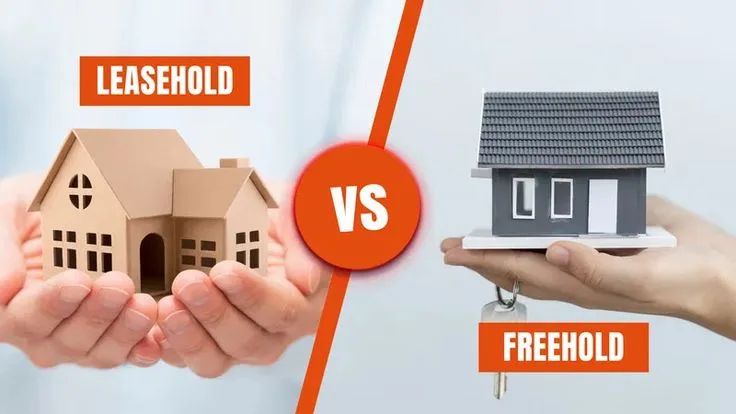
Here's the whole idea in two lines. With freehold property, the building and the land are yours, and nobody can take them back. With leasehold property, you own the right to use it for a fixed number of years, and the land belongs to someone else, often a government body.
That sounds like a small difference. It isn't. It decides whether a bank will give you a loan, how easily you can sell, and whether you can rebuild the house without asking anyone. We went through two bank explainers, two property-portal guides and a few legal and news reports on UP's Nazul land. One bank page we planned to use wouldn't open, so we left it out. Where the sources disagree, we tell you.
Freehold means you own it outright. There's no end date. You can renovate, sell, gift it or leave it to your children without asking a previous owner or an authority. There's also no ground rent to pay.
Two things count against it. It usually costs more to buy, and every repair is on you. Banks, though, tend to be comfortable lending against freehold.
A leasehold buyer holds the property under a lease. When the lease runs out, the rights go back to the lessor unless it's renewed. Before you buy, read the lease deed for four things:
Put side by side, it comes down to a few trade-offs. Freehold gives you land and a building with no expiry and the freedom to change or sell. Leasehold gives you a lower price today in exchange for an end date, possible ground rent and permission rules when you sell.
If you're buying to live in for decades, freehold is the calmer choice. If the price gap is big and the lease is long, leasehold can still work.
Often, yes. But lenders look hard at how many lease years are left. One portal says most lenders want 30 or more years of lease remaining beyond your loan term, and most decline once fewer than 30 years are left. A bank explainer says the same about leases under 30 years. Policies differ between banks, so ask yours before you book. Once you know the loan size, our home loan EMI guide will help you work out the monthly cost.
Resale follows the same logic. The shorter the lease gets, the harder it is to sell, and a buyer may need the lessor's approval. Good-location leasehold homes still find buyers, but there are fewer of them.
Don't assume. One portal says private builder flats are almost always freehold and authority-developed plots are often leasehold. A bank explainer says most flats in India are leasehold. They can't both be right for every case, so the only safe answer is the title deed or allotment papers of the property in front of you.
Nazul land is government-owned land that came to the State in various ways, such as escheat or acquisition. People in UP hold a lot of it on lease. The rules have moved around, so here is what we could confirm:
If a seller calls the land "Nazul" or "government lease", don't pay anything until a lawyer has checked the papers.
In many places, yes, where local rules allow it. A bank explainer lists the usual steps: apply to the authority that owns the land, pay the conversion charge it sets, sign and register the conveyance deed, then get the property mutated in your name in civic records.
For Nazul land in UP, that route is restricted, as above. So never buy on a seller's promise that it will be converted later.
We couldn't find verified data on how many properties in these three cities are freehold or leasehold, so we won't guess. But one local fact matters. In July 2024, a news report said Agra Development Authority (ADA) had found 4,141 allottees who hadn't paid about ₹193 crore for properties allotted to them, and had started notices that could lead to cancellation. The report doesn't mention leases. But it tells you something useful: if you're buying a resale property that was allotted by ADA, ask for proof that the dues to the authority are cleared.
The same goes for Mathura-Vrindavan Development Authority (MVDA) properties. Read the allotment letter and ask whether any lease or transfer conditions apply. If the seller is a private owner, ask for the sale deed and the full chain of ownership.
Greywood Homes lists owner-direct properties across all three cities, with no brokerage, so you can put these questions to the owner yourself. Browse plots in Agra or call +91 72170 39714.
It can be. It works best when the lease is long, the papers are clean, and the price is clearly lower than freehold nearby. It's a poor fit if you want an easy resale, a loan on a short lease, or the freedom to rebuild. If the choice is close, take freehold.
Answers to common questions related to this topic.
Greywood Homes is a property expert sharing insights about the real estate market.
Circle rate Agra explained in simple words: the latest revision, how to check your area's rate onlin...
What is a penthouse apartment? Meaning, why it's called a penthouse, how much it costs, penthouse vs...
Vrindavan property investment guide: flats vs plots compared on price, rent, loans and legal checks....