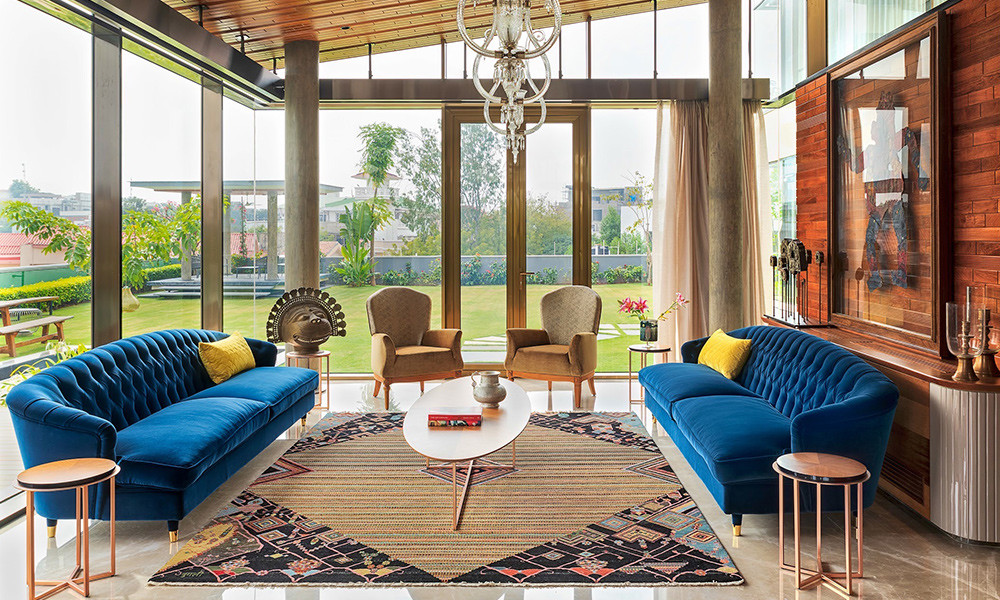
Are you still using common home design elements and safe design options from Pinterest? The time has come for a complete transformation of your space. This article presents a decorating guide that differs from traditional decorating guides. We will explore modern Indian interior design through a desi-meets-designer approach, which combines traditional elements with contemporary fashion. The design plan provides you with powerful solutions for each room, together with unexpected design choices and dangerous information that designers keep hidden from clients. What message does your living room space send to others about your personality? Continue reading this article while being aware that you will probably end up redesigning your whole house.
The world exists where Chaandni Chowk meets modern design, and your dadi’s brass lamp exists alongside a Scandinavian wool rug. The contemporary Indian interior design concept creates a space that combines the aroma of masala chai with the visual appeal of Architectural Digest.
Let’s remove all of the fake marketing statements that various brands present to the public. The use of traditional Indian décor as your complete design style needs to stop because it creates an outdated appearance. The use of hand-painted elephants on every cushion design creates an embarrassing display. The design system, which uses living room spaces as the main element and stone temples as the main element, creates a dull environment. The new design style, which comes from desi home design, exhibits new elements that make it a genuine designer creation because it maintains respect for your grandmother's design. If you want home interior design concepts that combine contemporary elements with personal character and slight eccentricity, this interior design halwa-puri serves your needs.
Let’s begin.
The present-day Indian residential spaces now extend their design elements beyond colorful decoration and teak wood furnishings. The modern design approach needs to make intelligent decisions because people now live their lives through global design styles combined with their local customs, which exist within the spatial limitations of their urban apartments.
The biggest change? Homes today exist as actual spaces that people use instead of artificial environments that people follow for television shows. The space functions according to actual daily activities, which include remote work and casual friend gatherings, festive occasions and preparing extensive meals and nighttime relaxation. Indian interior design standards today require designers to maintain traditional design elements through their design work.
The practice enables artists to create innovative remixes based on existing musical works. The material brass remains present in the design because it is compatible with matte black elements. Handloom textiles maintain their existence through their use as decorative elements, which make minimalist furniture designs more approachable. The space establishes spiritual areas which function as merging elements from multiple design traditions. The house creates an atmosphere that connects with its cultural roots while maintaining international understanding and providing emotional stability.
Luxury today isn’t about how much you own; it’s about how intentionally you choose.
This statement, which you made, requires an explanation through modern design elements, which include a neutral rug, contemporary furniture pieces and soft lighting options. The design gains power through its contrasting elements.
Modern Indian interior design requires designers to build spaces through specific design elements rather than using excessive decorative items which create an overwhelming appearance.
The space loses its special quality when all items become decorative elements. Display your best heritage item because it will create a more powerful effect than showing all your heritage items.
This could be:
A sculptural brass floor lamp
A hand-carved jharokha mirror
An antique chest or wall artefact
The most popular interior design style in contemporary India combines Japanese design principles with Scandinavian design principles through the Japandi aesthetic. Indian homes introduce special warmth to the traditional Japanese and Scandinavian design combination.
Begin your design process using basic furniture that contains straight edges and a low height. The design should maintain empty spaces that display minimal items. The next step requires you to introduce Indian materials through cane, rattan and jute and handwoven cotton. The materials create two effects, which first make the minimal design less severe and second provide physical comfort to users.
The colour scheme should use neutral tones, which include beige and grey, and off-white as the main colors while adding Indian earth tones, which include terracotta and clay and turmeric yellow and indigo as secondary colours. A single block-printed cushion or handloom throw establishes a cultural connection with the room.
Why does this fusion work so well? Because it keeps small urban apartments feeling airy while still feeling emotionally warm. Minimalism without coldness—that’s the sweet spot.
The maximum available space serves as the highest value in cities, which include Mumbai, Bangalore and Delhi. The use of smart furniture has become an essential requirement that people need to implement in their daily activities.
The method used here functions to decrease both physical area requirements and visual display elements. The home environment achieves greater tranquillity through the use of fewer items that perform multiple functions. A space without clutter brings substantial benefits to mental tranquillity.
Modern Indian interior design thrives on furniture that does double (or triple) duty:
Ottomans that work as seating, coffee tables, and hidden storage
Murphy beds that transform a home office into a guest room
Extendable dining tables that stay compact daily but expand during festivals
The prayer space remains the heart of an Indian home, but its design language has evolved. The goal is serenity, not spectacle. A mandir should feel like a pause—a quiet anchor—rather than a dominating structure. The design achieves its purpose through its integration with contemporary residential environments. Mandirs that occupy excessive space together with separate areas are now being substituted by dedicated mandir spaces that provide a holy atmosphere yet maintain lightness.
Modern mandirs use:
CNC-cut wooden jali partitions for separation without blocking light
Floating shelves instead of bulky units
Soft backlighting or hidden LED strips for an ethereal glow
The design of your living room space demonstrates your personal characteristics. The space serves as a platform for people to establish their viewpoints and engage in dialogue while creating their initial perception of others. Indian living rooms still face two design problems, which involve excessive decoration and the failure to create dynamic spaces. Curators should approach their work from the perspective of creating distinct areas rather than populating their entire space. A proper rug selection establishes the room's foundational design.
The floral rug creates a cosy atmosphere, while the blue and geometric rug designs deliver a peaceful, organised appearance. The room design becomes more sophisticated when all furniture legs touch the rug because this specific element makes an immediate impact.
Mix seating styles: a minimalist sofa with cane or accent chairs. Add a brass-trimmed side table or sculptural lamp. Skip cluttered centre tables. One statement object is enough.
Designer trick: hang a small Persian rug as wall art above a media console. It adds culture, texture, and gallery-level impact.
Your bedroom should show professional design work. The use of matching bedspreads and curtains creates an unappealing atmosphere. Indian bedrooms today use both mood and texture to create their designs.
Begin your setup with a premium silk or wool rug placed at your bed's foot. Use a subtle abstract rug as your second layer when your area permits it. The bedding should be selected in earthy shades, which include terracotta and sienna, and clay, because these colors create a calming and sensual experience.
Lighting matters more than furniture here. Avoid harsh overhead lights. Use sculptural bedside lamps with dimmers. Matte-finish wood or metal nightstands and a low-profile headboard complete the look.
This isn’t luxury for show—it’s comfort by design.
While praising the hard work of Indian kitchens, they are rarely credited for their aesthetic grace. This is a sin. Minor tweaks could change this.
Think about switching those clunky plastic handles to brass or matte black hardware. Replace the traditional wall cabinet with open floating shelves and store your lovely masalas in glass jars. How about banishing the flimsy doormats around the kitchen entrance and placing down flatweave or runner rugs?
Choose to install under-cabinet lighting because it is practical; in fact, decoration immediately picks up whole new areas of life. For pure-bred Bollywood style, think of putting up a vivid, small, colorful rug-that scream-for the walls. Actually, who cares for function and form here? This combination is downright breathtaking.
Your workspace doesn’t have to feel sterile. A modern Indian home office balances focus with identity.
Anchor the room with a Kilim rug. Use a clean-lined desk. Skip cork boards—choose one oversized artwork instead. Add wall-mounted shelves with subtle brass accents.
Finish with one exotic accent—a Thanjavur figurine or lacquered box. One is enough. It signals intention without distraction.
Tube lights are the silent killers of good interiors. Warm light always wins in living spaces. It flatters people and softens rooms. Lighting is not décor—it’s architecture.
Use layered lighting:
Ambient: warm recessed ceiling lights
Task: kitchen counters, reading lamps
Accent: spotlight art or textured walls
Green is the new neutral. Create one green corner instead of scattering plants everywhere. Let it become a visual pause in your home. Indoor plants improve air quality, mood, and visual balance.
Best plants for Indian homes:
Snake Plant
Areca Palm
Monstera
Money Plant
Living Room
Focus: Mood, dialogue, comfort
Use: Floral or blue rug, cane chairs, brass mirror
Bedroom
Focus: Texture, calm, intimacy
Use: Silk or abstract rug, ceramic lamps, warm tones
Kitchen
Focus: Practical style
Use: Flatweave runner, brass handles, floating shelves
Home Office
Focus: Productivity with identity
Use: Kilim rug, statement wall art, leather chair
Entryway / Hallway
Focus: First impression
Use: Red runner, console table, jasmine vase
Your home is your identity blueprint—don’t etch it using clichés. The purpose of contemporary Indian interior design exists between two extremes as it seeks to create authentic spaces that bring comfort to its inhabitants. You should select design elements that combine different cultural influences and reflect your personal style, modern aesthetics and essential significance.
A bold rug at the entrance.
A geometric anchor in the lounge.
A silk touch in the bedroom.
A floral accent where softness is needed.
That’s not decoration. That’s storytelling.
Answers to common questions related to this topic.
Greywood Homes is a property expert sharing insights about the real estate market.
Looking for luxury hotel interior design trends in India? Explore modern layouts, cultural elements,...
Learn how to choose the perfect interior design style for your home. Discover popular design themes,...
Explore the top hospitality interior design trends in India, from sustainable materials and luxury m...