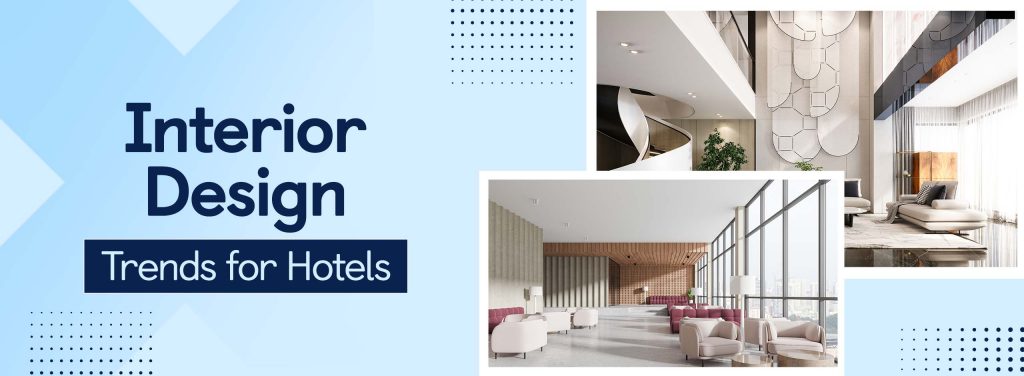
The field of hospitality design is undergoing a significant transformation, which is happening largely without public notice. Hotels throughout India and the rest of the world have begun to abandon their use of flawless interior designs, which exist only for aesthetic purposes. The emotional aspect of the space has become the main focus, which creates environments that people experience as humanlike while they interact with the local environment. The actual measurement of superior design now depends on two factors, which include the visual appeal of a space and its ability to create lasting impressions after visitors leave the area.
Modern travellers today pursue something different from spectacular attractions. The travellers seek spaces that provide them with both familiar experiences and new cultural experiences while maintaining a sense of peace, mental clarity, and physical comfort. The definition of luxury has changed because people now prefer to experience authentic spaces that provide them with intimate moments through their various sensory elements.
This evolution marks a new chapter—one where hotels are designed not to impress instantly, but to nurture, ground, and emotionally connect with their guests.
One of the most significant hospitality design trends is the move away from visual drama toward multisensory experience. Designers are no longer asking, “How does this space look?” but rather, “How does this space make you feel?”
Hotels now create emotional experiences through their controlled use of scent, sound, tactile elements, and lighting systems. The system provides soft light, which replaces the harsh light that creates intense brightness. The combination of materials creates a sound barrier, which results in quieter and more peaceful environments. The selection of textures includes three materials that provide comfort through their stone grounding properties and fabric touchability and finish, which become warm through usage.
The goal is beautifully simple: hospitality interiors should settle the body and nourish the mind. In a world of constant stimulation, hotels are becoming sanctuaries of emotional balance.
India’s hospitality sector is embracing its regional richness like never before. Instead of global uniformity, hotels are leaning into hyper-local design narratives that celebrate the land, culture, and community they belong to.
The architectural change is evident in the use of regional stone, native woods, handloom textiles, and artisan-crafted ceramics. Architects design present-day spaces by transforming traditional architectural elements, such as courtyards and arches, jaalis, and sloping roofs, into contemporary design elements. Designers incorporate local cultural patterns and motifs into their work to demonstrate respect for the local culture and utilise them in a controlled manner.
For guests, this creates a deeper sense of belonging. They don’t feel like they could be anywhere in the world. They know exactly where they are—and that feeling is powerful.
Wellness in hospitality design is no longer confined to spas, gyms, or yoga decks. Wellness dissolves into everyday design, becoming an invisible yet deeply felt layer of care.
Indian hotels have started to use biophilic design together with low-emission materials, circadian lighting systems, and natural ventilation systems as part of their architectural design. The hotels provide guests with dedicated quiet areas, which they can access whenever they want to take a break from their activities.
The approach shows itself through its unnoticeable design because it works below guests' level of awareness. The guests experience improved well-being because they are unable to identify the reasons behind their enhanced state. The building design promotes healing through its various architectural elements. The environment enables people to achieve better sleep and experience peaceful breathing while maintaining their mental focus throughout the day.
Material honesty—an appreciation for surfaces that age with dignity and hold memory. Indian hospitality interiors are embracing materials that tell stories over time rather than resisting wear.
Designers select honed stone, terracotta, cork, natural fibers, raw timber, stitched leather, plaster, and hand-finished textures for their projects.
People now understand that signs of use should not be considered imperfections. The space shows evidence of being occupied and cherished through its softened edges and gentle patina, and its minor textural differences. People now define luxury through quiet strength, which exists as a new standard.
The hospitality industry has chosen green as its primary interior design color. The space achieves its calming effect through the use of mineral greens and coastal teals, which combine with forest olives and herbal tones.
Green becomes an automatic choice in India because the country possesses extensive natural landscapes that people use to create art. The music expresses the different elements of nature, which include forests and fields, together with monsoon rains and garden spaces that represent renewal and balance. The combination of green with brass and stone and clay and woven textiles creates a design element that establishes a visual connection between interior spaces and their outdoor environments and historical past.
Rather than dominating spaces, these tones create harmony. They calm the senses, soften transitions, and reinforce the connection between indoors and outdoors.
The design of hospitality interiors now prefers to create intimate spaces instead of designing grand areas. Designers develop spaces that provide emotional experiences that match the human experience instead of creating large, unwelcoming areas.
The design includes deep seating, which promotes extended sitting time, together with dedicated spaces for reading and private discussions and the use of soft lighting, which creates warm ambient light, and the arrangement of different areas throughout the room. The furniture design enables users to experience comfort through touch instead of maintaining its appearance as a decorative object.
These are rooms that feel like they know you. The goal is not to impress but to embrace. Guests feel seen, held, and at ease—an increasingly rare feeling in modern life.
While digital precision and advanced construction technologies are essential, it is the hand of the craftsperson that gives hospitality interiors their soul.
Indian hotels are combining machine-cut building elements with handcrafted stonework, wooden carvings, woven materials, and specially designed metal and textile pieces. The combination of technological elements with human artistic work results in environments that maintain both sophisticated design and dynamic energy.
Guests may not identify each crafted detail, but they feel the difference. The space carries individuality, warmth, and character—qualities that technology alone cannot replicate.
Art in hospitality interiors is no longer confined to framed pieces on walls. It has become an integrated spatial experience.
Hotels are using sculptural surfaces, textured walls, immersive installations, and artist collaborations inspired by local culture. Corridors, lobbies, staircases, and transitional spaces become journeys rather than passages.
This approach invites guests to rediscover the hotel each time they move through it, creating moments of surprise and quiet reflection.
Hospitality interiors are designed for fluidity. Spaces serve multiple purposes over the course of a day, responding to changing moods and needs.
Lobbies transition from co-working lounges to social living rooms. Restaurants evolve from bright morning cafés into atmospheric evening venues. Lighting, furniture, and soundscapes shift seamlessly to support each phase.
Every square foot is designed with intention, flexibility, and emotional awareness.
Whether large or small, hotels are adopting a boutique mindset. Even expansive properties are creating intimate, individually meaningful spaces.
This includes region-specific palettes, locally rooted textures, intimate-scale design within large footprints, and culturally grounded storytelling. No two locations feel alike, even within the same brand family.
Guests experience uniqueness, not replication.
Sustainability and emotional resonance meet in the revival of vintage and restored elements. Indian hospitality properties are incorporating restored wooden furniture, antique lighting, refinished metalwork, and repurposed décor with history.
These pieces bring depth, memory, and character. Spaces feel collected over time rather than installed overnight—a quality that immediately makes guests feel at home.
Running through all these hospitality design trends is one powerful philosophy: designing with care.
Care for the guest through sensory comfort and intuitive layouts.
Care for culture through respectful integration of local identity.
Care for the environment through thoughtful material choices.
Care for experience through spaces that feel personal and meaningful.
When hospitality interiors are created with care, you don’t notice it in grand gestures. You feel it in quiet moments—in how a room holds you, calms you, and stays with you long after you leave.
That is the future of hospitality interior design in India.
The art of hospitality interior design in India has developed into a complete artistic discipline that exceeds its visual appearance. The project combines multiple elements, which include storytelling, sustainable design, and the creation of spaces that establish emotional bonds with users. Every design element, from biophilic components to cultural design elements and advanced technologies and wellness-oriented areas, creates a specific impact on how guests experience their stay.
As competition grows and travellers become more discerning, thoughtful interior design will continue to be a powerful differentiator. The diverse and creative nature of India enables hospitality interiors to provide visitors with experiences that combine beauty with exceptional lasting value.
Answers to common questions related to this topic.
Greywood Homes is a property expert sharing insights about the real estate market.
Looking for luxury hotel interior design trends in India? Explore modern layouts, cultural elements,...
Learn how to choose the perfect interior design style for your home. Discover popular design themes,...
Discover modern Indian interior design where desi soul meets designer thinking. Explore contemporary...