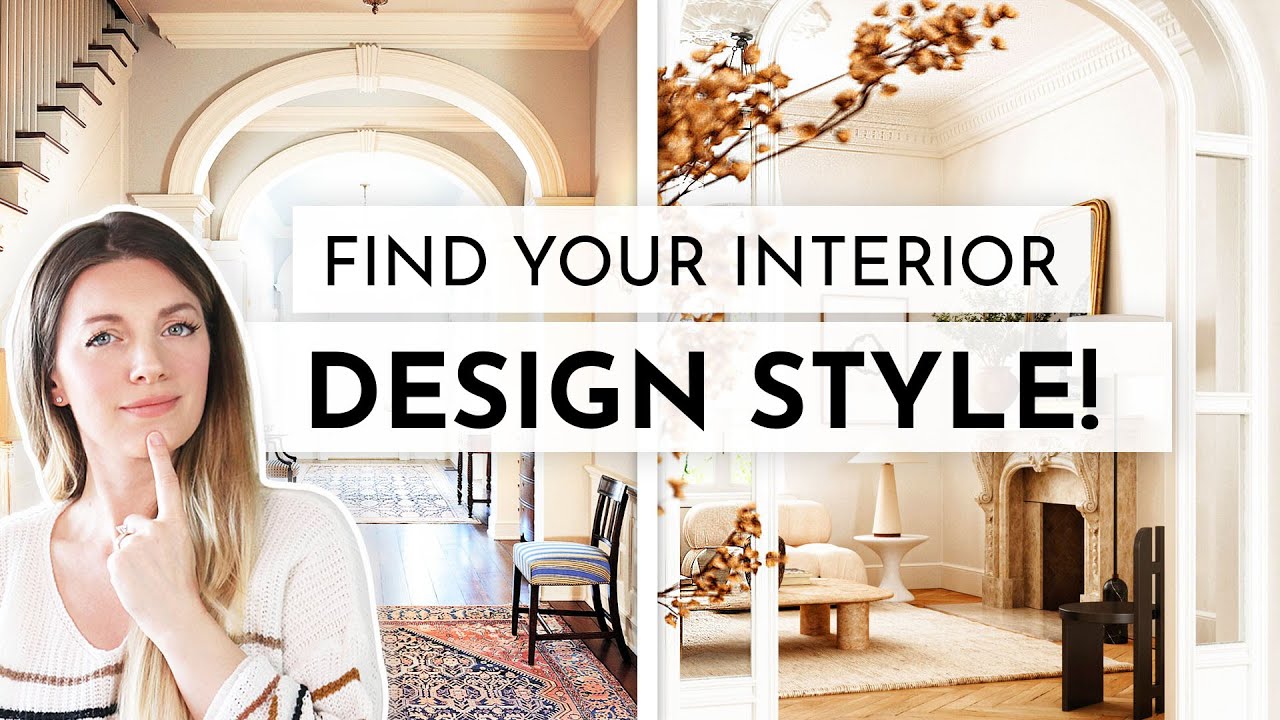
Selecting the ideal interior design style for your residence is one of the most crucial decisions you will make as a homeowner. Your design style defines how your space looks, feels, and functions—shaping your daily comfort and expressing your personality.
Today, people face challenges because they must choose between multiple interior design styles, including minimalist, contemporary, traditional, Scandinavian, bohemian, and other options. The good news is that selecting the right style becomes simple when you understand your lifestyle, space, and preferences.
This complete guide will help you confidently choose an interior design style that enhances your home and reflects who you truly are.
Interior design creates visual beauty, which determines your level of comfort, your emotional state, and your ability to work. A well-designed space supports everyday living while creating harmony throughout your home.
Benefits of choosing the right interior style include:
Improved functionality and organization
Enhanced comfort and relaxation
A cohesive and visually appealing home
Better use of space and lighting
Smart furniture and décor decisions
Minimalist — clean, clutter-free, calming spaces
Contemporary — sleek layouts with modern accents
Scandinavian — light, natural, cozy simplicity
Industrial — raw textures and urban character
Traditional — warm, classic elegance
Bohemian — expressive and layered creativity
Interior design styles vary widely in philosophy, materials, and visual expression. Understanding these styles helps you narrow down what resonates with you.
Contemporary interior design uses clean lines, open spaces, neutral color schemes, and modern building materials. The design style combines current fashion trends with basic design elements to create an enduring aesthetic.
Minimalism focuses on functionality, uncluttered spaces, and intentional design. Neutral tones and essential furniture create a calm and breathable environment.
Inspired by classic European aesthetics, traditional interiors feature symmetry, rich textures, and ornate details that bring warmth and timeless elegance.
Known for light colors, natural materials, and simplicity, Scandinavian interiors prioritize comfort and practicality while maintaining modern appeal.
Industrial style embraces raw materials like exposed brick, metal, and reclaimed wood. It offers a modern, urban aesthetic with strong character.
Creative and expressive, bohemian interiors mix colors, textures, and global influences for a vibrant and artistic feel.
Zen style focuses on tranquility through natural materials, open space, and minimalist décor that encourages relaxation.
Warm and inviting, farmhouse interiors combine rustic charm with practical comfort.
Assess your lifestyle — durability, comfort, and daily routines matter.
Study your space — architecture and lighting influence style suitability.
Identify preferences — create mood boards to reveal design patterns.
Define style direction — modern vs traditional foundations.
Set a budget — align style ambitions with financial planning.
Apply the 70-20-10 rule — maintain visual balance.
Start small — test ideas before full commitment.
Your home should support how you live:
Families → durable, easy-maintenance designs
Professionals → calm, minimalist environments
Social households → open, welcoming layouts
Consider architecture, natural light, and room sizes. A design style should enhance — not compete with — your home’s structure.
Create a mood board using Pinterest or magazines. These patterns reveal your authentic design taste. Notice patterns in:
Colors
Textures
Furniture styles
Decorative elements
This simplifies decision-making. Most homes lean toward:
Modern direction: clean, minimal, sleek
Traditional direction: detailed, cozy, classic
Budget planning ensures sustainability. Each design style carries different investment levels:
Minimalist/industrial → fewer high-quality pieces
Traditional → flexible pricing
Maximalist/bohemian → decorative layering costs
This keeps interiors cohesive yet dynamic. For visual balance:
70% dominant style
20% complementary style
10% accent personality
Experiment with a small space first — like an entryway or reading corner — before committing to a full transformation.
Professional designers recommend:
A. Invest in Quality Foundations: Durable furniture and finishes anchor your space long-term.
B. Layer Textures: Mix fabrics, wood, and stone for depth and warmth.
C. Use Natural Materials: They create timeless appeal and connection to nature.
D. Prioritize Lighting: Lighting enhances mood, highlights design features, and improves usability.
You don’t need to stick rigidly to one style. Mixing styles adds personality—just maintain consistency in colors, scale, and materials for harmony.
Selecting the appropriate interior design style is all about harmonizing with lifestyle, architecture, and personal identity. Do not fall prey to fleeting trends; rather, prioritize comfort, functionality, and timeless design.
When your home mirrors your lifestyle, it becomes a place you look forward to returning to every day.
Embark on the journey of interior design styles today and design a home that is distinctly yours.
Discover your perfect property with Greywood Homes, the best real estate marketplace in India and India’s trusted real estate platform. Buy, sell, or rent homes with verified listings, expert support, and seamless transactions. Start your property journey today and experience smarter, faster, and more reliable real estate solutions across India.
Answers to common questions related to this topic.
Greywood Homes is a property expert sharing insights about the real estate market.
Looking for luxury hotel interior design trends in India? Explore modern layouts, cultural elements,...
Explore the top hospitality interior design trends in India, from sustainable materials and luxury m...
Discover modern Indian interior design where desi soul meets designer thinking. Explore contemporary...